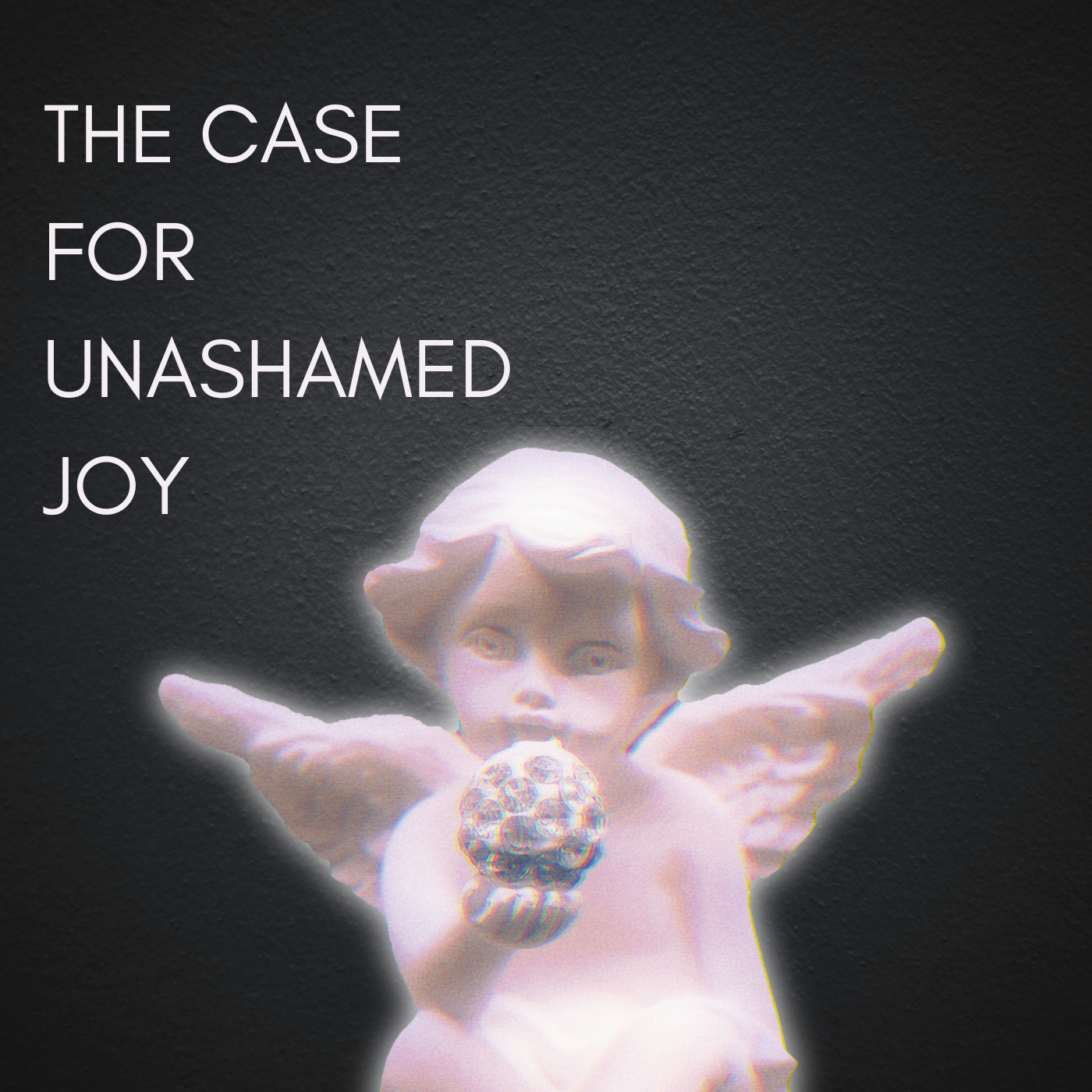
People pretend that joy is suspicious. Modern culture treats happiness like it needs to be justified with a tragic backstory. If you smile too easily, people assume you are shallow. If you laugh loudly, you are told to lower your voice. Misery gets treated like depth and joy gets treated like naivete. That is backwards.
Suffering has become a strange kind of social proof. You earn credibility by being wounded. You earn attention by being exhausted. The world rewards heaviness because it makes everyone feel intelligent and serious. Joy does the opposite. Joy reminds people that life can be simple, and many cannot tolerate that simplicity.
Melancholy has turned into a personality type. People curate it. They aestheticize it. They claim sensitivity when often it is just avoidance dressed up as sophistication. Joy requires courage. It demands presence. It calls your bluff. You cannot fake it and that makes people uncomfortable.
Real joy does not need a disclaimer. It does not ask permission. It does not wait until every problem is solved. It shows up in ordinary moments and exposes how much of our suffering is self inflicted and performative. That is why people hide it. Joy reveals the truth about how little many of our complaints actually matter.
The cost of treating joy like an embarrassment is high. Families become tense. Children learn to equate seriousness with virtue. Faith becomes grim instead of grateful. A household that cannot laugh becomes a factory of resentment. A culture that treats joy like foolishness becomes weak.
Choosing joy is not escapism. It is resistance. It is a refusal to let heaviness rule the room. It is a sign of strength, not ignorance. Joy belongs to people who have discipline, gratitude, purpose, and rootedness. It belongs to people who build instead of brood.
If the world is embarrassed by joy, then the world needs correcting.
B 🤍
Leave a Reply